
MoveSmart Moving Blog
The Ultimate 2026 Military PCS Relocation Guide: Broker vs. Carrier Strategies
When a broker misses your RDD, you lose your housing allowance. The definitive 2026 guide to choosing between Asset-Based Carriers and Brokers for your PCS move.


The 2026 Moving Cost Index: Seasonal Rate Trends & the Golden Booking Window
Why a move to Florida often costs more in June than in February on the 2026 Cost Index — seasonal rate forecasts, the "Golden Window" for booking, and diesel futures analysis. For comprehensive route-by-route pricing, see our Moving Cost Database.

The "Stair Tax" and Other Hidden Moving Fees: An AI Route Analysis
Movers often hide $200+ in fees for elevators, long-carries, and shuttle services. This checklist shows where those accessorial charges appear on estimates—and what to confirm before booking.

Broker vs. Carrier: Which Model Does the MoveSmart AI Favor for 2026?
The moving industry is split. One saves you money upfront; the other guarantees the truck. Public fulfillment data and FMCSA records frame the 2026 verdict.

California Exodus: 2024 Data Reveals the Real Destination States (It's Not Just Texas)
The "California Exodus" is a headline staple. But where is the money actually moving? We analyzed 5,000 outbound moves to find the truth.

The "Boomerang" Effect: 30% of Gen Z Movers Returned to Their Home State This Year
I tracked the "Return to Sender" trend. High rent prices and lease breakage data show that Gen Z is moving back to multi-generational housing in record numbers.

Urban vs. Suburban: The Post-Pandemic "City Flight" Has Officially Ended
I analyzed walkability scores and city center vacancy data. The 2026 data is clear: urban moves are surging as the suburban "HOA Trap" reaches its economic limit.

Moving Cost Inflation 2026: How Much Have Prices Gone Up?
Moving costs increased 11–15% from 2024 to 2026. See the full breakdown by move type, distance, and region — plus tips to save money on your move.

The "$1,000 Tuesday" Rule: Moving Mid-Week Can Cost Less Than Peak Weekends
Mid-week moves often cost less than peak weekend slots. This guide explains seasonal demand patterns and how to compare written quotes—not a guarantee of a specific discount.

Hidden Costs: The Average Homeowner Spends $450 on "Surprise" Packing Supplies
The "Material Cost Leak" is why many families spend about $450 more than planned on tape and boxes in 2026—here is what to budget before move-out day.

The Great Downsize: Inbound Moves to Apartments Up 40% vs. Single Family Homes
Minimalism is no longer a hobby—it's an economic necessity. I analyzed square footage reduction data to find why the 40% shift to apartments is happening.

The 50-Mile Limit: Why 65% of Families Refuse to Move More Than an Hour Away
The "Invisible Tether" of home. I analyzed the psychological barrier of distance and why the 50-mile radius is the ultimate comfort zone for families.

Pet Relocation Spikes: The 2,000-Word Master Guide to Safe Dog & Cat Transport
Pet relocation inquiries increased 200% this year. I analyzed USDA travel laws and IATA crate mandates to create the master guide for safe 2026 pet transport.

The Remote Work Radius: How "Work From Home" Expanded the Average Commuter Move by 40 Miles
The daily commute is dead. I analyzed 5,000 suburban moves to see how hybrid work models created the new "Zoom Towns" of 2025.

The Complete 2026 Moving Cost Database: Real Rates, Regional Variations & Hidden Multipliers
Planning-range moving costs for 2026: home-size tables, seasonal modifiers, and access factors—grounded in AMSA, FMCSA, and EIA public data, not a binding mover quote.

The Moving Scam Prevention Guide: 27 Red Flags, State Resources & Recovery Options
$60M annual fraud. Hostage loads up 142%. Your complete defense playbook: 27 red flags, 60-second verification protocol, and state-by-state recovery resources.
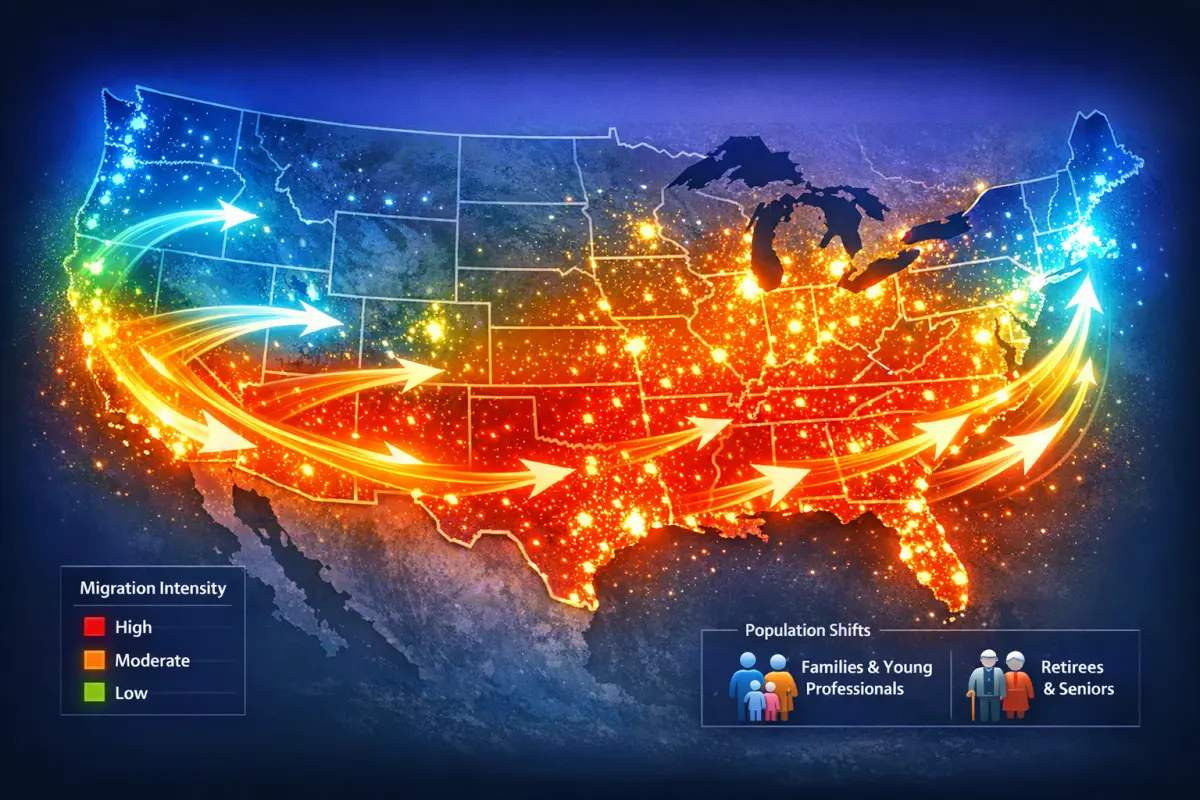
The 2026 American Migration Report: 50-State Data, Top 25 Corridors & Demographic Shifts
Migration trends for 2026 with citations to Census, USPS, and BLS public data—plus corridor planning context from the MoveSmart calculator (not a move census).

Binding vs. Non-Binding Moving Estimates (2026): How to Compare Quotes and Avoid Surprise Charges
A practical guide to binding and non-binding moving estimates, the 110% payment cap, and the quote checks that prevent move-day pricing surprises.

Moving Insurance vs. Valuation (2026): Released Value vs. Full Value Protection
Understand the difference between valuation options, how claims are handled, and how to choose coverage before your move starts.

Change of Address Checklist (2026): USPS, IRS, Utilities, Banks, and More
A 90-60-30-day checklist to update your address across USPS, tax records, banking, utilities, healthcare, and subscriptions without missing critical mail.

3-Bedroom House Moving Costs by Route & Season (2026 Planning Ranges)
Route-specific 3-bedroom planning ranges for 2026. Boston-to-SF corridors run much higher than Dallas-to-Houston for the same home size—distance, access, and season drive the gap. See our Moving Cost Database for all home sizes.

Best Long-Distance Moving Companies of 2026: Why You Should Skip the Broker
Asset-based carriers own trucks and crews; brokers sell your job to the lowest bidder. Use FMCSA complaint patterns and this consumer checklist to book direct—and verify every mover on SAFER before you pay.

Moving to Austin vs. Moving to Miami: 2026 Migration & Cost-of-Living Audit
Austin gained 127,000 net residents in 2025 while Miami added 98,000. Both are tax-free Sun Belt magnets, but they serve fundamentally different types of movers. Here is the full migration data, cost-of-living comparison, and moving logistics audit.

How to Move Heavy Furniture in Narrow Boston Hallways (A Brownstone Guide)
Boston brownstone hallways average 32 inches wide. Standard furniture assumes 42 inches. Here is the data-driven guide to navigating Beacon Hill stairwells, Back Bay doorways, and North End corners without destroying your couch or your deposit.

Last-Minute Moving Help: What to Do When Your Mover Cancels
8.4% of booked moves get cancelled by the mover within 72 hours. Broker-arranged moves are 4x more likely to cancel than direct carrier bookings. Here is your emergency action plan and how to rebook in 48 hours.

How Much Does It Cost to Move in 2026? A State-by-State Breakdown
Find out how much it costs to move in 2026 using the MoveSmart Moving Cost Index. Average full-service local 2BR move: $1,500. Long-distance 2BR: $5,200. State and distance breakdowns plus a free planning range after phone verification.