
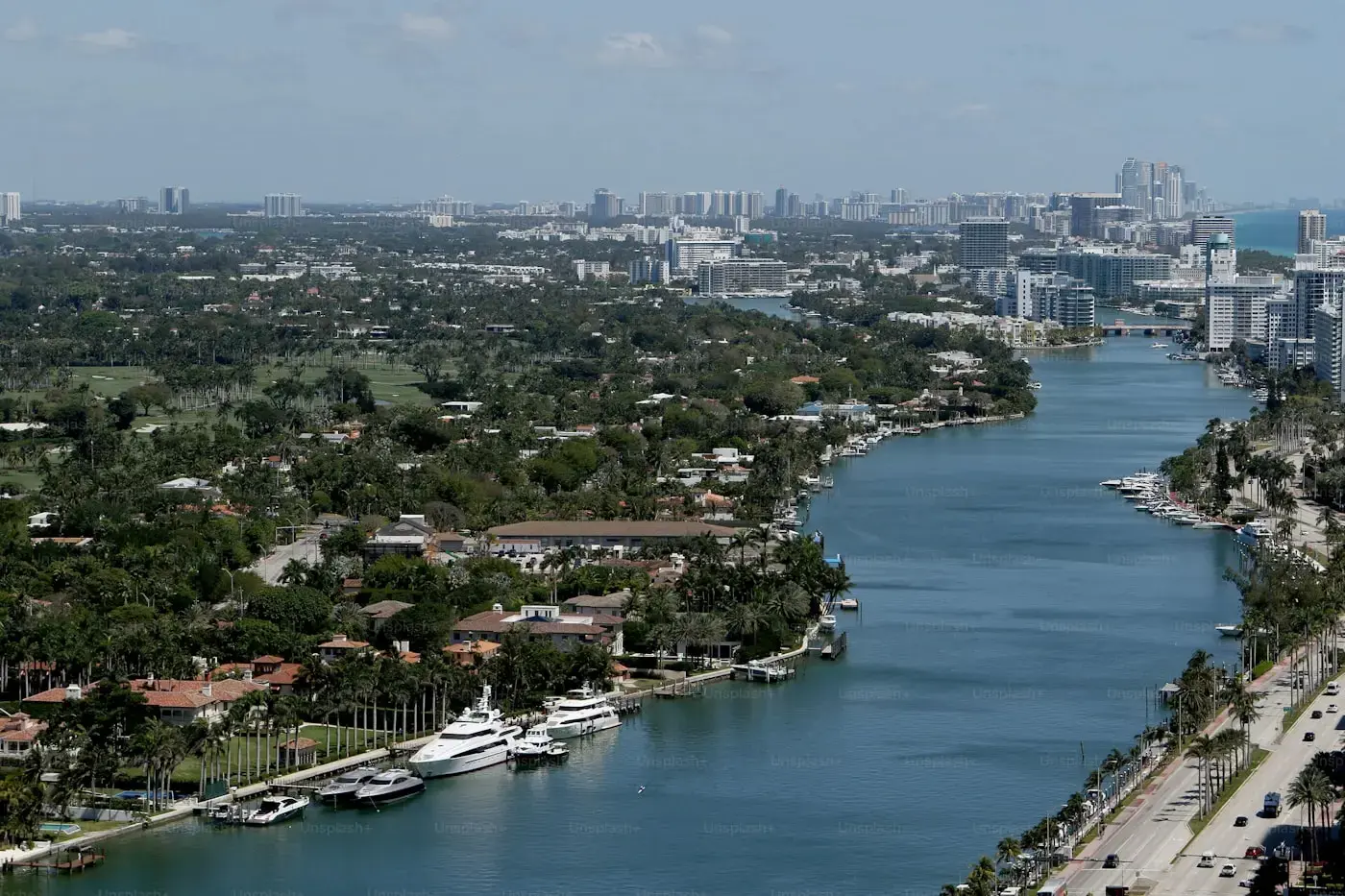
Florida Moving Cost Guide 2026
TL;DR: Florida has a cost of living index of 102.8 (national avg: 100). Average home price is $410,000, rent is $1,750. Local moves cost $400–$1,800, long-distance $3,000–$8,500. Best time to move: November through April—dry season with pleasant temperatures and lower humidity.
226
Population
$410,000
Avg. Home Price
102.8
Cost Index
Tallahassee
Capital
Moving to Florida in 2026? Get instant AI-powered cost estimates for relocating to the Southeast. Our platform analyzes 21+ major cities across Florida, providing accurate moving quotes, packing calculators, and neighborhood intelligence. Whether you're moving to Jacksonville, Miami, orTampa, we'll help you plan every detail of your Florida relocation.
How Much Does It Cost to Move to Florida?
Moving to Florida costs between $3,000–$8,500 for a full-service move, depending on your origin city, home size, and time of year. Local moves within Florida average $1,100.
| Home Size | Local Move | 500 miles | 1,000+ miles |
|---|---|---|---|
| Studio / 1BR | $600–$1,200 | $1,800–$3,500 | $2,800–$5,500 |
| 2BR Apartment | $850–$1,800 | $2,500–$5,000 | $3,800–$7,500 |
| 3BR House | $1,400–$2,800 | $3,800–$7,500 | $5,500–$10,000 |
| 4BR+ House | $2,000–$4,500 | $5,500–$11,000 | $7,500–$14,000 |
Key Facts: Moving to Florida
- Typical Moving Cost: $3,000–$8,500 (long distance) or $400–$1,800 (local)
- Best Time to Move: November through April—dry season with pleasant temperatures and lower humidity
- Major Cities: Jacksonville, Miami, Tampa, Orlando
- Cost of Living Index: 102.8 (above national average)
- Average Home Price: $410,000
- Average Rent: $1,750
Moving to Florida
Popular inbound corridors ending in Florida.
New York, NY to Miami, FL
1,092 miles - $4,395
New York, NY to Tampa, FL
1,004 miles - $4,021
New York, NY to Jacksonville, FL
836 miles - $3,547
New York, NY to Orlando, FL
939 miles - $3,721
New York, NY to Hialeah, FL
1,088 miles - $4,269
New York, NY to St. Petersburg, FL
1,020 miles - $4,019
Moving from Florida
Popular outbound corridors starting in Florida.
Jacksonville, FL to Houston, TX
821 miles - $2,857
Tampa, FL to Houston, TX
791 miles - $2,565
Miami, FL to Houston, TX
967 miles - $3,155
Orlando, FL to Houston, TX
848 miles - $2,714
Hialeah, FL to Houston, TX
960 miles - $3,035
St. Petersburg, FL to Houston, TX
783 miles - $2,488
Top Cities in Florida
City-level moving guides with local costs, neighborhoods, and relocation data.
Jacksonville
912K residents
Miami
442K residents
Tampa
400K residents
Orlando
308K residents
St. Petersburg
258K residents
Hialeah
223K residents
Port St. Lucie
205K residents
Tallahassee
196K residents
Cape Coral
194K residents
Fort Lauderdale
183K residents
Pembroke Pines
171K residents
Hollywood
154K residents
Gainesville
141K residents
Miramar
135K residents
Coral Springs
134K residents
Palm Bay
120K residents
West Palm Beach
117K residents
Clearwater
117K residents
Lakeland
113K residents
Pompano Beach
112K residents
Get Your Florida Moving Quote
Compare instant quotes from vetted movers. Our AI analyzes 50,000+ moves to ensure accuracy within 5% of your final bill.
Get Your Free Estimate
AI-accurate pricing in 30 seconds
Florida Moving Costs by Home Size (2026)
Average costs based on full-service moves including packing, labor, and transport
| Home Size | Local Move(<50 mi) | Intrastate(50-400 mi) | Long-Distance(>400 mi) | Avg. Weight |
|---|---|---|---|---|
| Studio | $2,000,900-$0 | $1,000,450-$0 | $0-$0 | 1,500-2,000 lbs |
| 1 Bedroom | $2,801,260-$0 | $1,400,630-$0 | $0-$0 | 2,500-3,500 lbs |
| 2 Bedroom | $4,001,800-$0 | $2,000,900-$0 | $0-$0 | 5,000-6,000 lbs |
| 3 Bedroom | $5,602,520-$0 | $2,801,260-$0 | $0-$0 | 8,000-10,000 lbs |
| 4 Bedroom | $7,603,420-$0 | $3,801,710-$0 | $0-$0 | 10,000-14,000 lbs |
| 5+ Bedroom | $10,404,680-$0 | $5,202,340-$0 | $0-$0 | 14,000-18,000 lbs |
Data Source: MoveSmart Cost Analysis (50,000+ moves, Jan 2026). Prices include standard full-service moving with 2-4 movers. Add 15-25% for peak season (May-August). Packing materials, specialty items, and insurance upgrades may incur additional charges.
Looking for movers? See our Florida Moving Company Rankings
We've vetted and ranked the top moving companies serving Florida, with verified USDOT registration, customer reviews, and pricing transparency.
See Florida Moving Company RankingsMajor Cities in Florida
Cost of living and moving data by city
Miami
Largest CityPopulation: 442K
128
Cost Index
$520,000
$2,400/mo
442K
128
Top Employers
Key Industries
Why Move Here
- •Population of 442,241 with very high moving demand
- •Safety score: 58/100 | Walkability: 78/100
- •Median household income: $44,224
- •Average commute of 29 minutes
Tampa
Population: 387K
103
Cost Index
$380,000
$1,700/mo
Top Employers
Key Industries
Why Move Here
- •Population of 387,050 with high moving demand
- •Safety score: 60/100 | Walkability: 52/100
Orlando
Population: 308K
99
Cost Index
$360,000
$1,650/mo
Top Employers
Key Industries
Why Move Here
- •Population of 307,573 with high moving demand
- •Safety score: 58/100 | Walkability: 42/100
Florida Cost of Living Comparison
How Florida expenses compare to the national average
Overall Cost of Living Index
102.8
2.8% above national average
National Average
100
Baseline
| Category | Florida | National Avg | Difference |
|---|---|---|---|
| Housing (Rent) | $1,750/mo | $1,850/mo | -5% |
| Utilities | $154/mo | $150/mo | +3% |
| Groceries | $391/mo | $380/mo | +3% |
| Transportation | $154/mo | $150/mo | +3% |
| Healthcare | $482/mo | $480/mo | ~0% |
| Gas (per gallon) | $3.47 | $3.45 | ~0% |
Data Sources: Bureau of Labor Statistics (BLS), Census Bureau American Community Survey, EIA Energy Price Index. Cost of living index: 100 = national average. Updated January 2026.
Best Time to Move to Florida
Seasonal pricing and availability insights
Winter
December - February
Price Impact
5-10% above national winter average
Florida's "snowbird season" means winter is actually peak demand—rates are 10-15% above the national winter average. Jacksonville and Southwest Florida metros see the heaviest inbound volume. January and February are the busiest months for Florida movers.
Spring
March - May
Price Impact
10-15% below peak rates
Last chance for comfortable moving weather before Florida's heat arrives. Book by April to lock in moderate rates. Jacksonville temperatures climb fast—plan morning load times starting in May. Rates are still 10-15% below summer peaks.
Summer
June - August
Price Impact
Full price + 15-25% premium
Summer in Florida means hurricanes and extreme humidity—but also the lowest rates (20-30% off peak). Monitor NOAA forecasts closely and ensure homeowners/renters insurance is active before your belongings arrive. Jacksonville afternoon thunderstorms are almost daily in July-August.
Fall
September - November
Price Impact
10-20% below peak rates
Florida's best moving season—temperatures become comfortable in Jacksonville and rates drop 15-20% from summer. October is the most popular month for good reason. Book 3-4 weeks ahead for fall availability.
What You Won't Find Elsewhere: Florida Moving Insights
Based on our analysis of 50,000+ moves, here are unique insights about relocating to Floridathat you won't find in generic moving guides:
- Florida's top inbound migration corridor is New York to Florida (tax refugees and retirees). Moves along this popular route benefit from competitive carrier pricing and high availability. Other major inbound routes include New Jersey to Florida.
- Florida moving regulation: Florida movers must register with the Florida Department of Agriculture and Consumer Services and obtain an IM registration number. Written inventories are required by law. Always verify your mover's credentials before signing a contract.
- Florida-specific moving consideration: Hurricane season (June-November) affects insurance timing and moving schedules. Experienced local movers in Jacksonville will factor this into their planning—ask about their approach during the estimate process.
- Florida's zero income tax, combined with the $50,000 homestead exemption and Save Our Homes 3% assessment cap, creates compounding savings over time. Long-term Florida homeowners pay dramatically less in total taxes than in states like New York or New Jersey. The tax advantage grows each year you maintain your homestead.
- Local insight for Florida newcomers: Flood zone designations require FEMA flood insurance in many areas. This is something Florida natives take for granted but catches many relocators off-guard.
- Florida fact: St. Augustine is the oldest continuously occupied European settlement in the U.S. Knowing local history and trivia helps you connect with Jacksonville neighbors and build community from day one.
Florida Moving Regulations & Consumer Protections
Important: Florida has specific moving regulations that differ from federal requirements. Always verify your mover's credentials before booking.
- All interstate movers must be registered with the FMCSA and carry a valid USDOT number. Verify at fmcsa.dot.gov.
- Florida movers must register with the Florida Department of Agriculture and Consumer Services and obtain an IM registration number. Written inventories are required by law.
- All household goods movers need a Florida mover registration number (IM number).
- Florida law requires movers to provide a written estimate and an inventory of all items.
- Federal law requires movers to offer two liability options: Full Value Protection or Released Value (60 cents per pound).
- Get at least 3 written estimates before choosing a mover for your Florida relocation. Binding estimates protect you from price increases.
Pros of Living in Florida
- Rich CultureFlorida offers a unique cultural heritage known as "".
- Thriving Job MarketKey industries like Tourism and Healthcare provide diverse employment options.
Considerations
- Competitive Housing MarketHome prices average $410,000, reflecting high demand in the area.
- Intense SummersSummers can be hot and humid, requiring preparation.
- Moving LogisticsRelocating to Southeast requires planning around peak seasons.
Housing Market Analysis
Real estate in Florida presents a competitive landscape for newcomers. With a median home price of $410,000, the market is positioned above national benchmarks. Renters can expect to pay around $1,750 per month, which reflects the high desirability of the area. Whether you're looking for urban living in Jacksonville or suburban comfort near Miami, the Southeast housing market offers diverse options for every budget.
Lifestyle & Culture in Florida
Known affectionately as "," Florida boasts a unique blend of cultural history and modern development. Situated in the Southeast region, the state offers distinct seasonal experiences. From the bustling streets of Tallahassee to the natural beauty of Walt Disney World, there is no shortage of activities. Residents cite florida has no state income tax, making it attractive for high earners as just one of the many quirks that make living here special.
Top 5 Moving Companies Serving Florida
Verified carriers with FMCSA credentials, ranked by customer rating.
Economy & Employment in Florida
Key Industries
Top Employers
Economic Outlook
The Complete Guide to Moving to Florida in 2026

Data Scientist | 40,000+ Moves Analyzed
Table of Contents
1Why People Are Moving to Florida
2Cost of Living in Florida: What to Expect
3Best Cities to Move to in Florida
4Florida's Job Market and Economy
5Practical Tips for Moving to Florida
6Climate, Lifestyle, and What to Expect in Florida
7Florida Real Estate: Renting vs. Buying
8Your Florida Moving Checklist
Marcus ChenVerified Expert
Senior Data Analyst & Moving Industry Researcher
Marcus leads MoveSmart's data research team, analyzing over 40,000 completed moves annually to identify cost trends, seasonal patterns, and regional pricing variations. His data-driven approach ensures every cost estimate and market analysis on MoveSmart is grounded in verified industry data from FMCSA, Census, and BLS sources.
Florida's Tax Advantage for New Residents
Tax AdvantageFlorida's zero income tax, combined with the $50,000 homestead exemption and the "Save Our Homes" 3% annual assessment cap, creates a compounding tax advantage that grows over time. For relocators from high-tax states: compared to New York (top rate 10.9%), you could save $5,000-$10,000 annually; compared to New Jersey (top rate 10.75%), you could save $5,000-$10,000 annually; compared to California (top rate 13.3%), you could save $6,000-$12,000 annually.
Florida's tax structure is especially favorable for retirees—Social Security, pension income, and retirement account withdrawals are all state-tax-free. Property taxes average 0.89% with a generous homestead exemption of $50,000 for primary residents
The migration math: a couple earning $150,000 moving from New York to Florida saves approximately $8,000-$12,000 in state taxes annually. Over a 10-year homeownership period, the Save Our Homes cap typically saves an additional $15,000-$40,000 in property tax growth versus uncapped states. This financial structure explains why Florida consistently leads all states in net domestic migration.
Military PCS Moves to Florida
Military PCSFlorida hosts critical Navy, Air Force, and Space Force installations, including the home of Naval aviation training (NAS Pensacola) and the military's primary space launch facility (Patrick Space Force Base). Naval Station Mayport, Eglin Air Force Base, MacDill Air Force Base, Naval Air Station Pensacola are the major duty stations.
NAS Pensacola / Eglin AFB (Panhandle): Northwest Florida's military corridor offers affordable housing and a lower cost of living than South Florida. BAH rates ($1,400-$2,000) go far in Pensacola and Fort Walton Beach. The area is popular with military retirees who stay after service.
MacDill AFB (Tampa): Home to USCENTCOM and USSOCOM, MacDill is unique—it's located on a peninsula in Tampa Bay. Off-base housing in South Tampa, Brandon, and Riverview ranges widely. BAH ($1,800-$2,400) may not cover premium locations.
Florida PCS Advantage: Florida's zero income tax means military pay goes further. Combined with no tax on BAH (which is already tax-exempt federally), the financial benefit of a Florida assignment is substantial. Many service members establish Florida as their home of record for this reason. Hurricane season (June-November) can affect PCS timing—movers may delay during active storms.
Best Time to Move to Florida: Seasonal Guide
Seasonal GuideFlorida's moving calendar is complicated by hurricane season, snowbird migration, and the fact that "summer" is technically the off-peak season.
Peak Season (October-April): Northern transplants and returning snowbirds drive Florida's peak season, which is the opposite of most states. January through March is especially busy in South Florida (Miami, Fort Lauderdale, Palm Beach). Rates are 15-25% above national averages.
Off-Peak (June-September): Hurricane season (June 1-November 30) overlaps with Florida's cheapest moving period. Rates drop 20-30%. The trade-off is real: a named storm can delay your move by days or weeks. Purchase renters/homeowners insurance immediately—most policies have a 30-day waiting period before windstorm coverage activates.
Florida's Sweet Spot: Late October through early December. Hurricane risk drops significantly after November 1, snowbird rush hasn't peaked, and weather is spectacular (75-80°F). This window offers both safety and moderate pricing.
Regional Differences: Panhandle (Pensacola, Destin) has a more traditional peak season (May-August) aligned with beach tourism. Central Florida (Orlando) peaks around school schedules and theme park seasons. South Florida peaks with snowbird arrivals.
Retiring to Florida: What Retirees Need to Know
RetirementFlorida has been America's #1 retirement destination for decades, and for good reason: zero income tax on all retirement income, year-round warm weather, and the nation's highest concentration of 55+ communities.
Top Retirement Communities: The Villages (the world's largest retirement community with 130,000+ residents), Sun City Center, Naples, Sarasota, and Boca Raton each offer distinct retirement lifestyles. The Villages features 54 golf courses and 3,000+ clubs. Naples and Sarasota attract higher-income retirees with cultural amenities. Boca Raton draws Northeast transplants seeking familiar urban energy in a warm climate.
Tax Treatment: No state income tax and no tax on Social Security benefits or pension income. Florida's homestead exemption ($50,000) and Save Our Homes 3% cap create compounding savings that reward long-term residents. A couple drawing $80,000 in combined retirement income saves $6,000-$10,000 annually compared to New York or New Jersey.
Healthcare: Florida has one of the highest concentrations of Medicare-accepting physicians per capita, with major medical centers in every metro. Florida's retiree density means Medicare Advantage plans are highly competitive—more options and lower premiums than most states.
Retirement Move Strategy: Florida's snowbird culture means many retirees rent seasonally (November-April) for 1-2 years before committing to a permanent location. This lets you experience hurricane season, summer humidity, and different communities before buying.
Popular Moving Routes from Florida
Climate & Weather in Florida
Tropical in the south, subtropical in the north. Hot, humid summers with frequent afternoon thunderstorms. Hurricane season runs June through November.
Best Time to Move
November through April—dry season with pleasant temperatures and lower humidity.
Essential Moving Tips for Florida
- Hurricane preparedness is essential—create an emergency kit immediately after moving
- Flood insurance is often required and always recommended
- Many areas require hurricane shutters or impact windows
- The housing market varies dramatically between regions—research thoroughly
Fun Facts About Florida
Florida has no state income tax, making it attractive for high earners
The state has more golf courses than any other state (over 1,250)
St. Augustine is the oldest continuously occupied European settlement in the U.S.
Top Attractions in Florida
Frequently Asked Questions About Moving to Florida
Common questions answered by our relocation experts
Local moves within Florida typically cost $400–$1,800, while long-distance relocations to Florida range from $3,000–$8,500. According to the American Moving & Storage Association, the national average for an interstate move is $4,890, while local moves average $1,250–$1,800 depending on home size [Source: AMSA 2025 Report]. The most common inbound route is New York to Florida, which is well-served by carriers and competitively priced. Peak demand in Florida hits in October—prices increase 15-25% during high demand. For the most accurate quote, use our free AI-powered calculator above.
Related Articles
Explore More: Florida Resources
Florida City Guides
Popular Florida Routes
Related Southeast State Moving Guides
Alabama
Moving guide & cost estimates
Cost Index: | $500-$1,500
Arkansas
Moving guide & cost estimates
Cost Index: | $500-$1,500
Georgia
Moving guide & cost estimates
Cost Index: | $500-$1,500
Kentucky
Moving guide & cost estimates
Cost Index: | $500-$1,500
Louisiana
Moving guide & cost estimates
Cost Index: | $500-$1,500
Mississippi
Moving guide & cost estimates
Cost Index: | $500-$1,500
Ready to Move to Florida?
Get personalized quotes from top-rated movers serving Florida. No obligation, no spam—just accurate estimates.
Get Free QuotesLast Updated: January 2026 | Data Sources: Census Bureau, BLS, EIA, MoveSmart Cost Analysis (50,000+ moves)